Why study one man's life this closely? Because Allah made it the template:
لَّقَدْ كَانَ لَكُمْ فِي رَسُولِ اللَّهِ أُسْوَةٌ حَسَنَةٌ
Laqad kana lakum fi rasulillahi uswatun hasanah
"You have an excellent example in the Messenger of God"
Quran 33:21When his wife Aisha was asked what he was like, she answered in one line: "His character was the Quran" (Sahih Muslim 746). The Seerah is the Quran walking.
 Before prophethood
2
Before prophethood
2 The revelation begins
3
The revelation begins
3 The open call and persecution
4
The open call and persecution
4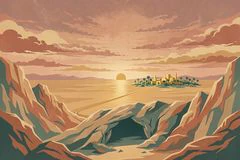 The Night Journey and the Hijrah
5
The Night Journey and the Hijrah
5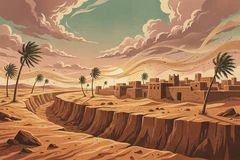 Defending the message
6
Defending the message
6 Victory, mercy, and farewell
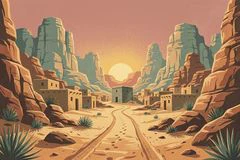
1 Before prophethood (570-610 CE)
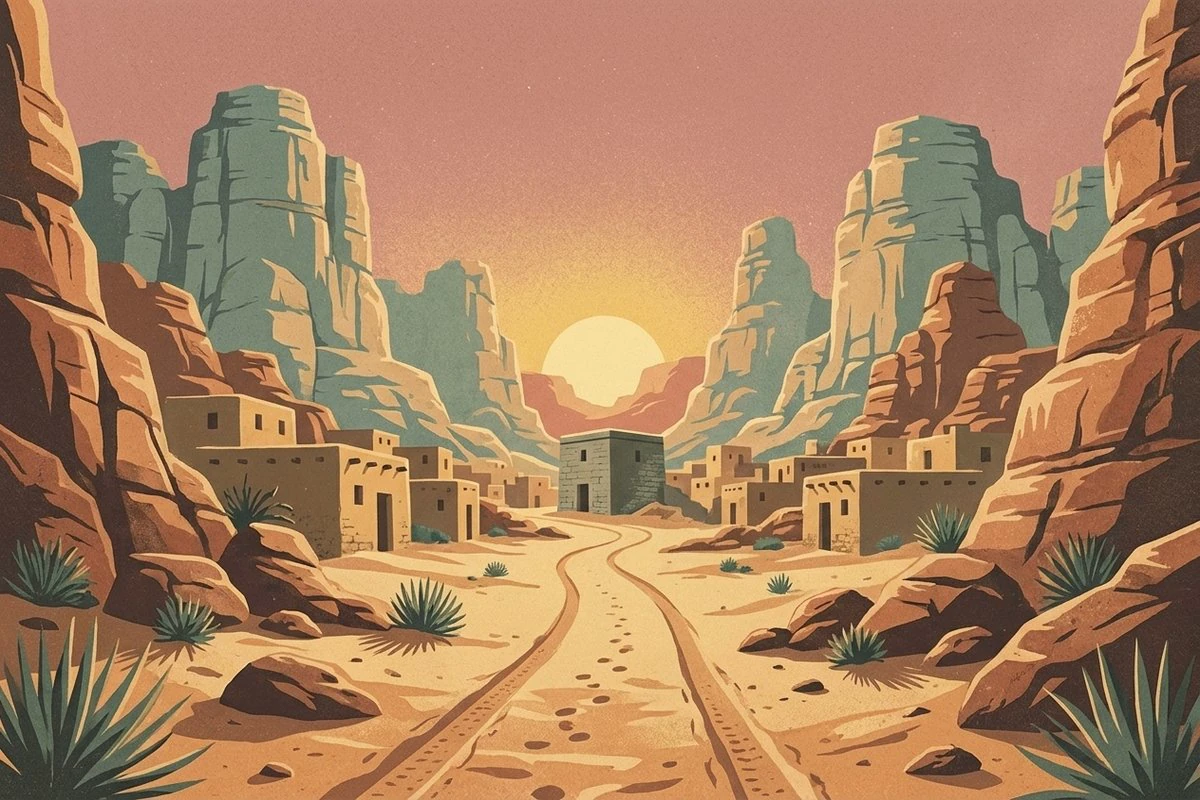
Born in Makkah
The year an army with a war elephant marched to destroy the Kaaba and was destroyed itself (Surah Al-Fil 105), Muhammad ﷺ was born into the noble tribe of Quraysh. His father Abdullah had already passed away. He never met him.
An orphan, twice over
His mother Aminah died when he was six. His grandfather Abdul-Muttalib, who adored him, died when he was eight. His uncle Abu Talib took him in and protected him for the next four decades. Allah later reminded him: "Did He not find you orphaned, and sheltered you?" (93:6).
As-Sadiq Al-Amin
He worked as a shepherd, then in trade. No formal schooling - he could not read or write, which later made the Quran's eloquence its own proof. Makkah gave him two nicknames before revelation ever came: As-Sadiq (the Truthful) and Al-Amin (the Trustworthy). People deposited valuables with him the way we use banks.
Marriage to Khadijah
Khadijah bint Khuwaylid, a successful businesswoman fifteen years his senior, hired him to lead her caravan, was struck by his honesty, and proposed marriage. For 25 years she was his only wife, his best friend, and his first believer. He never stopped speaking of her.
2 The revelation begins (610-613 CE)

The Cave of Hira
He had taken to retreating to a cave above Makkah to reflect. One night in Ramadan, the angel Jibril appeared and commanded: "Read." "I cannot read," he answered. Three times the angel pressed him, then recited the first verses ever revealed:
اقْرَأْ بِاسْمِ رَبِّكَ الَّذِي خَلَقَخَلَقَ الْإِنسَانَ مِنْ عَلَقٍاقْرَأْ وَرَبُّكَ الْأَكْرَمُالَّذِي عَلَّمَ بِالْقَلَمِعَلَّمَ الْإِنسَانَ مَا لَمْ يَعْلَمْ
Iqra' bismi rabbikal-ladhi khalaq...
"Read: In the Name of your Lord who created. Created man from a clot. Read: And your Lord is the Most Generous. He who taught by the pen. Taught man what he never knew."
Quran 96:1-5 · Sahih al-Bukhari 3"Cover me!" - and Khadijah's answer
He came home shaking: "Cover me, cover me." Khadijah's reply is one of history's great character references: "Never! By Allah, Allah will never disgrace you. You keep ties with family, carry the weak, provide for the poor, honor guests, and help those struck by hardship" (Sahih al-Bukhari 3). Her cousin Waraqah, a scholar of scripture, confirmed: this is the same angel who came to Musa.
The quiet years
For about three years the call stayed private. The first believers: Khadijah, his young cousin Ali, his freed servant Zayd, his closest friend Abu Bakr. Through Abu Bakr came Uthman, Talhah, Zubayr, and others - the core that would carry Islam.
3 The open call and persecution (613-619 CE)
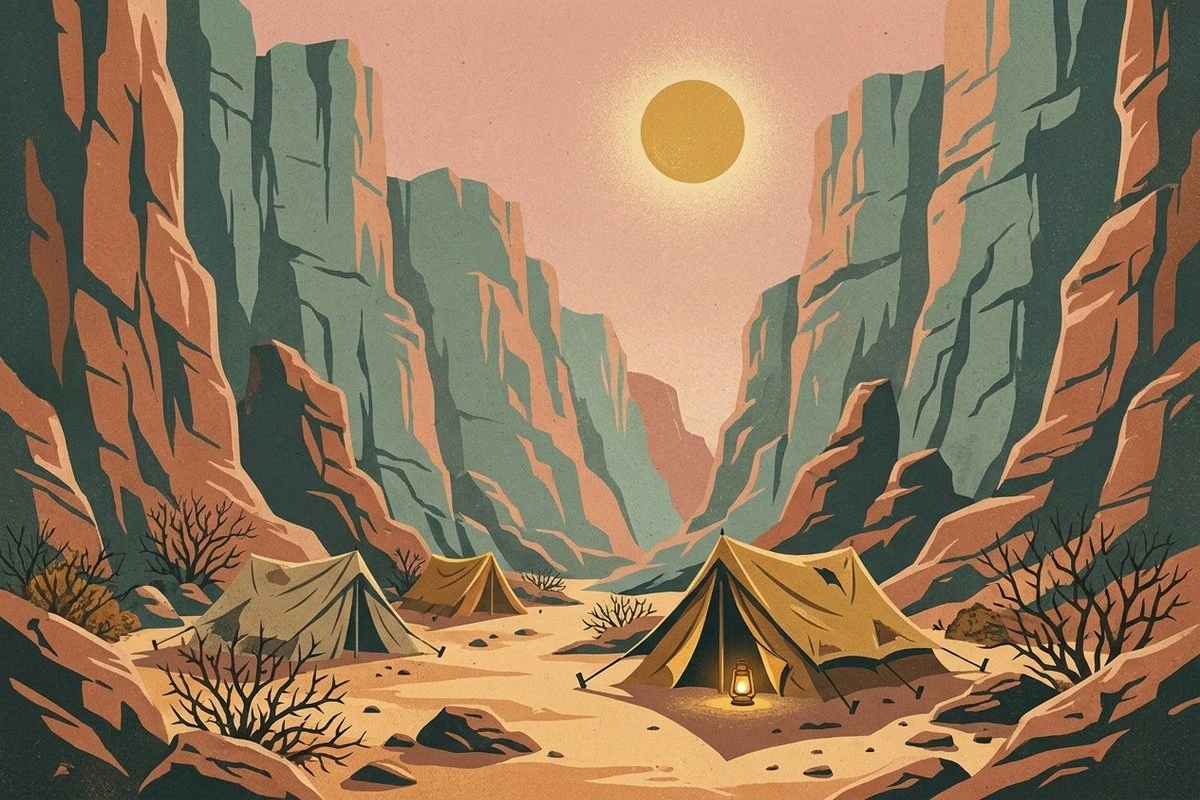
Going public
Commanded to "And warn your close relatives." (26:214), he stood on the hill of Safa and asked Makkah: "If I told you an army was behind this valley, would you believe me?" "We have never known you to lie," they said. Then he called them to Allah alone. The mockery began the same day.
The weak pay the price
Quraysh could not touch him directly - Abu Talib's protection held - so they tortured the powerless. Bilal, an enslaved Abyssinian, was dragged under boulders in the desert heat, answering only "Ahad, Ahad" - One, One. Sumayyah, an elderly woman, was killed by Abu Jahl's spear: the first martyr of Islam. Her family was told the words every persecuted believer holds: "Patience, family of Yasir - your appointment is Paradise."
Migration to Abyssinia
He sent the most vulnerable believers across the sea to the just Christian king, the Najashi. When Quraysh demanded their return, Ja'far ibn Abi Talib recited Surah Maryam's account of Isa. The king wept and refused to hand them over.
The boycott, then the Year of Sorrow
Quraysh sealed the Muslims and their clan into a valley for three years - no trade, no food, no marriage. Children's cries from hunger could be heard beyond it. Soon after it collapsed, he lost both shields in one year: Khadijah, and Abu Talib. Scholars call it 'Am al-Huzn - the Year of Sorrow.
Taif - the hardest day
He walked to the city of Taif seeking support. Its leaders mocked him and set street mobs to stone him until his sandals ran with blood. Given an angel ready to crush the city between two mountains, he answered: "No - I hope Allah will bring from their children those who worship Him alone" (Sahih al-Bukhari 3231). Taif's children later became Muslims, every one.
4 The Night Journey and the Hijrah (620-622 CE)
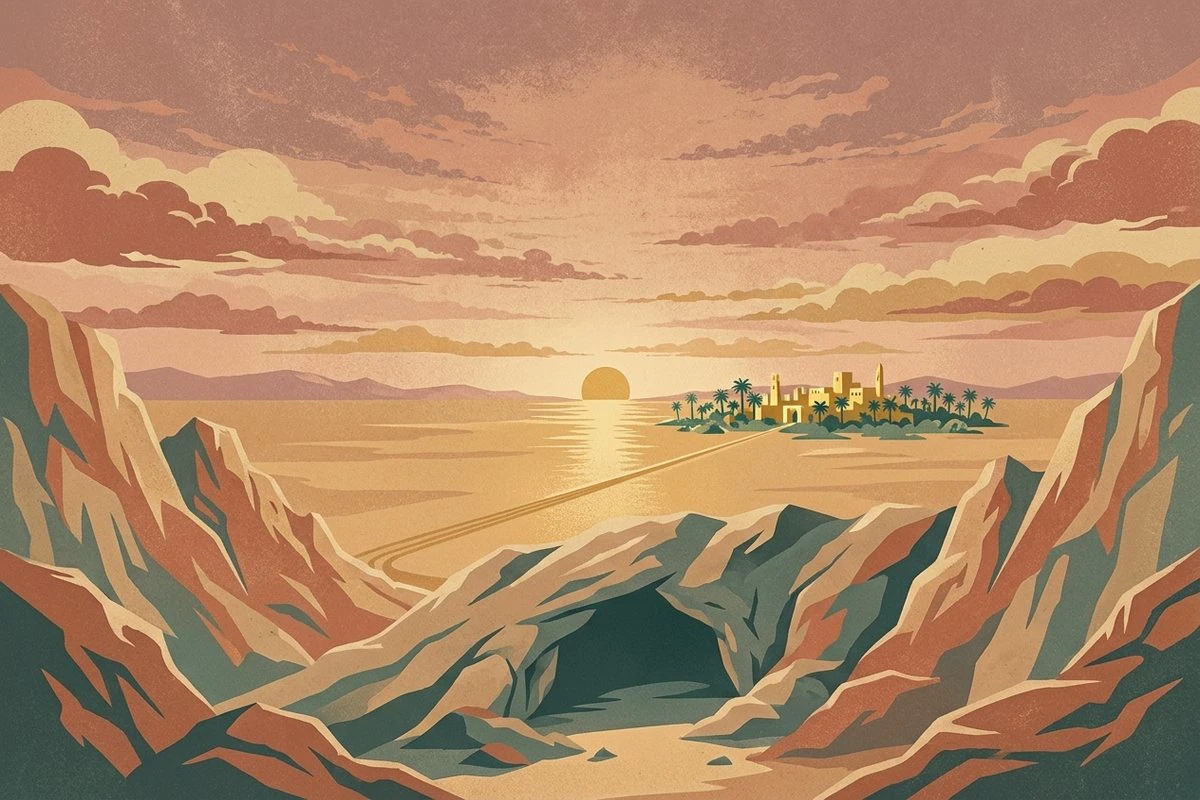
Al-Isra wal-Miraj
In the depth of those hard years came the greatest honor: a night journey from Makkah to Jerusalem (17:1), where he led all the prophets in prayer, then an ascension through the heavens into the Divine Presence. From that night he brought back the gift carried five times a day by every Muslim since: the salah. Abu Bakr's instant acceptance of the story earned him his title, As-Siddiq - the great affirmer of truth.
Yathrib opens its heart
Pilgrims from the northern city of Yathrib met him, believed, and pledged at Aqabah to protect him as they protected their own families. The persecuted Muslims of Makkah began slipping away north, leaving homes and wealth behind.
The Hijrah
Quraysh resolved to assassinate him - one swordsman from every clan. He left Ali sleeping in his bed (to return the valuables Makkah still deposited with the man it was trying to kill) and slipped out with Abu Bakr. Hiding in the cave of Thawr with search parties at the entrance, Abu Bakr feared discovery. The answer came, later preserved in the Quran:
لَا تَحْزَنْ إِنَّ اللَّهَ مَعَنَا
La tahzan innallaha ma'ana
"Do not worry, God is with us."
Quran 9:40This migration was the turning point of history - the Islamic calendar starts here, not at his birth or the first revelation. Yathrib became Al-Madinah: the City of the Prophet.
Building a community
First acts in Madinah: build a masjid (also a school, court, and shelter), pair every Makkan emigrant (Muhajir) with a Madinan host (Ansari) as literal brothers, and draft the Charter of Madinah - a written pact of rights and mutual defense including the city's Jewish tribes.
5 Defending the message (624-627 CE)
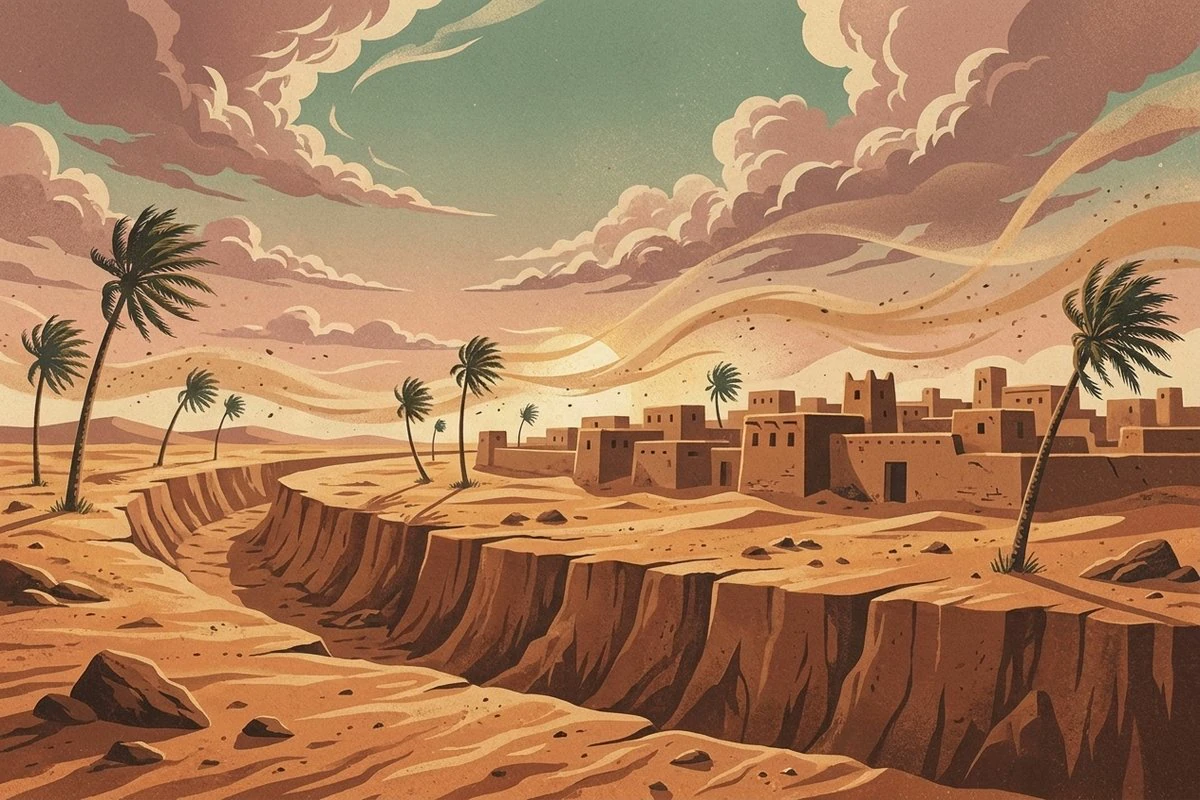
Badr
313 poorly equipped Muslims faced roughly 1,000 Quraysh warriors at the wells of Badr. The night before, he prayed until dawn. Victory was total, and the Quran fixed the lesson: "God had given you victory at Badr, when you were weak." (3:123). The seemingly untouchable tyrants of Makkah - Abu Jahl among them - fell in a single morning.
Uhud
Makkah returned with 3,000 for revenge. The Muslims held - until archers posted on a hill abandoned their position for the spoils, exactly against orders. The reversal was brutal: seventy martyrs including his beloved uncle Hamza, and the Prophet ﷺ himself wounded. The Quran spent an entire passage (3:121-179) turning the defeat into a masterclass: obedience, discipline, and how Allah tests.
Al-Khandaq - the Trench
A confederacy of 10,000 - the largest army Arabia had seen - marched to erase Madinah. On the advice of Salman al-Farisi, the Muslims dug a trench across the city's exposed flank; the Prophet ﷺ dug with them, stomach bound against hunger. After a freezing month-long siege, a night windstorm shredded the confederate camp and they broke and left. "God thus spared the believers combat." (33:25).
6 Victory, mercy, and farewell (628-632 CE)
Hudaybiyyah - the "defeat" that was a victory
Blocked from pilgrimage, he accepted a ten-year truce on terms so one-sided his companions were crushed. Revelation called it "a conspicuous victory" (48:1) - and it was: the truce opened Arabia to the message, and more people entered Islam in the next two years than in the previous nineteen.
The conquest of Makkah
After Quraysh broke the truce, he entered Makkah with 10,000 - head bowed low on his camel in humility, with orders against bloodshed. Facing the people who had starved, tortured, and exiled him: "What do you think I will do with you?" "Good - you are a noble brother." "Go, for you are free." The Kaaba was cleansed of its 360 idols as he recited: "The truth has come, and falsehood has withered away" (17:81).
The Farewell Sermon
At his only Hajj, before over 100,000, he delivered the summary of it all: lives, wealth and honor are sacred; all debts of usury abolished; "your women have rights over you, and you have rights over them - so fear Allah concerning women" (Sahih Muslim 1218); no Arab is superior to a non-Arab except by taqwa; and "I leave among you that which, if you hold to it, you will never go astray: the Book of Allah." Then the verse came down:
الْيَوْمَ أَكْمَلْتُ لَكُمْ دِينَكُمْ وَأَتْمَمْتُ عَلَيْكُمْ نِعْمَتِي وَرَضِيتُ لَكُمُ الْإِسْلَامَ دِينًا
Al-yawma akmaltu lakum dinakum wa atmamtu 'alaykum ni'mati wa raditu lakumul-islama dina
"Today I have perfected your religion for you, and have completed My favor upon you, and have approved Islam as a religion for you."
Quran 5:3The passing
Months later, in Aisha's room, with his final words reported as "the highest companionship" - choosing Allah over this world - he passed at 63. Umar refused to believe it. Abu Bakr's steadiness carried the ummah: "Whoever worshipped Muhammad, Muhammad has died. Whoever worships Allah - Allah is Ever-Living and never dies," reciting Quran 3:144. He was buried where he passed, in Madinah, where millions greet him with salam to this day.
What he left
No palace, no fortune - his armor was mortgaged when he passed (Sahih al-Bukhari 2916). He left the Quran, the Sunnah, and a generation trained to carry both. A man mocked in his own streets became the most followed example in human history. That example is the rest of this site.